Expressive Arts in Therapy

Let’s create something meaningful together.
"The arts are a critical component of healthcare. Expressive art is a tool to explore, develop and practice creativity as a means to wellness."
Wellarts Association

Why use expressive arts in therapy?
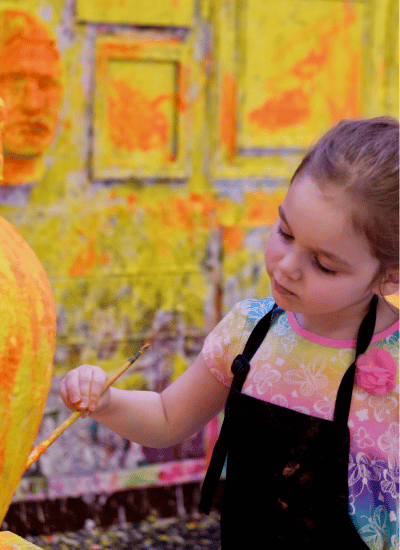
Expressive arts-based therapy is grounded in an understanding of child and adolescent development and recognizes that there is no one-size-fits-all approach to mental health care. While some individuals are able to easily talk through their thoughts and feelings, others—especially children and teens—may find it difficult to put their experiences into words as they are still developing language and emotional expression.

Even for adults, verbal communication alone is not always enough to fully explore complex emotions. Creative approaches such as drawing, painting, music, movement, or other expressive activities can provide additional pathways for understanding and processing internal experiences.

In therapy, expressive arts techniques offer a supportive and accessible way to help clients connect with their emotions, build self-awareness, and explore challenges in a way that feels natural to them. By engaging creativity as part of the healing process, children and teens can discover new ways to express themselves and move toward growth and healing in a way that is uniquely their own.
Benefits of Using Expressive Arts in Therapy
A common misconception is that someone must be “naturally artistic” or skilled in art to benefit from expressive arts therapy. In reality, the focus is not on creating a polished product, but on the creative process itself. Engaging in creative expression can help individuals explore thoughts and feelings that may be difficult to put into words.
Research on expressive arts therapy suggests that it can be an effective and supportive approach for people of all ages. Studies and reviews of the literature indicate that the therapeutic use of art is associated with:
-
Specific activities such as coloring mandalas and patterns have been shown to help improve coping, but the process of artistic creation also helps people identify strengths that can be applied to other ways of coping.
-
Children and adolescents with PTSD in an art therapy group demonstrated fewer symptoms after just one week and sustained progress at one month.
-
Kids who were prone to acting out became less disruptive after art therapy. Teens in art therapy had fewer behavioral incidents and removals from school, allowing for increased time in the classroom.
-
Teens participating in art as therapy groups demonstrated increased feelings of self-worth, mastery, connection, and self-approval. Essentially, as they engaged in artistic self expression, their overall self-esteem improved in several areas!
Meet Lindsey Bass, Richardson Therapist Using Expressive Arts
You want to do everything you can to support your child, and I am here to help you do just that. I’m Lindsey Bass, a Licensed Professional Counselor in Texas specializing in child and adolescent therapy. Children and teens today are navigating a wide range of challenges, including changing schools, shifting friendships, family dynamics, academic pressure, and social stressors. Whether a young person is experiencing emotional outbursts, risky behaviors, low self-esteem, academic concerns, or the impact of trauma, they are always more than their struggles.
In my work, I focus on the whole person, not just the symptoms. By building on existing strengths and teaching practical tools for managing difficult emotions, I help children and teens feel more confident, secure, and capable in their daily lives.
A key part of my approach is meeting clients where they are. For many young people, especially children and teens still developing their ability to express themselves, it can be overwhelming to put experiences into words. To support this process, I incorporate expressive and experiential approaches such as play, crafting, sand tray work, and movement-based techniques, allowing clients to communicate and process emotions in ways that feel natural to them. Often, this also helps them discover and strengthen their own voice over time.
Crafting
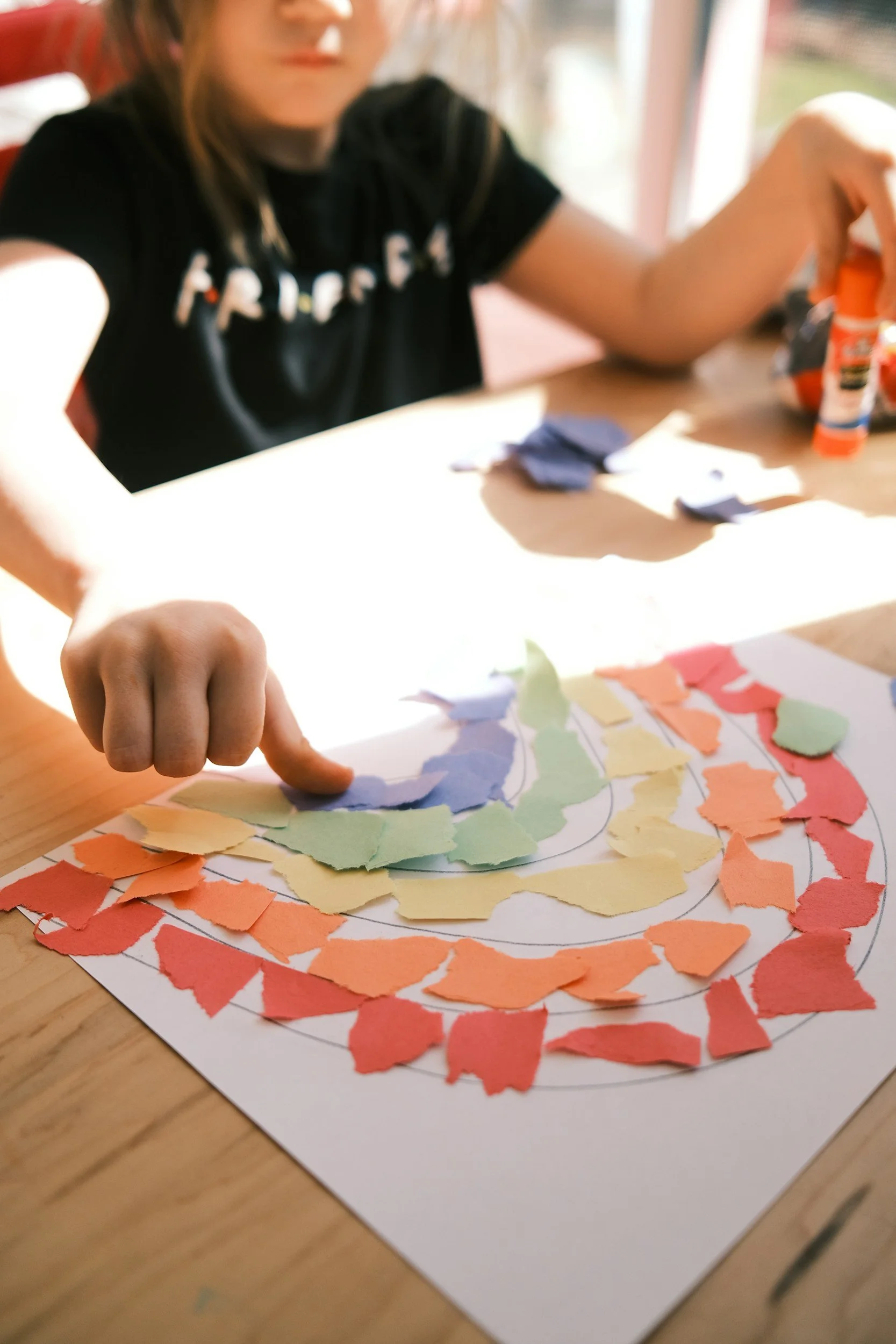
I provide a variety of creative materials that clients can use if they choose. Because I am not a formal art therapist, I do not rely on structured art directives. Instead, I allow the client to decide whether creating something while we talk feels helpful, calming, or supportive of their ability to reflect and share.
At times, I may invite a child or teen to draw or create something when it could help organize thoughts or externalize experiences. For example, drawing what led up to a difficult situation can make it easier to identify triggers than talking about it alone. Similarly, having a visual reminder of coping skills can help children more easily access and apply those strategies outside of session.
Sand Tray and Sand Play Therapy
Sand tray therapy is a creative approach in which clients use figurines and miniatures to express their understanding of themselves and their experiences. In sessions, I may offer a prompt such as “Create a scene that represents what has been on your mind lately,” or I may simply invite clients to explore the materials freely. Afterward, we reflect together on the scene, including the choices, placements, and meanings that emerge for them. Rather than interpreting the tray for the client, I support them in discovering their own insights through the process.
Sand play therapy builds on this approach by incorporating more movement and storytelling elements, allowing children to act out experiences and themes in a more dynamic way. Both approaches can support emotional expression, insight, and regulation, especially for children who struggle to verbalize what they are feeling.
Dancing Mindfulness
Mindfulness is often thought of as sitting still and clearing the mind, which can feel difficult or inaccessible for many people. Dancing mindfulness offers an alternative by using movement as a way to develop present-moment awareness. Through gentle, expressive movement, clients learn to notice and experience thoughts and emotions as they arise, helping them connect more fully with themselves in a way that feels natural and embodied.
FAQs About Using Expressive Art in Therapy for Kids & Teens
-
Not all therapists who use art are art therapists. Although I integrate expressive modalities in my work, I am not an art therapist. According to the American Art Therapy Association, art therapists are clinicians with master’s-level or higher degrees trained in both art and therapy. However, despite being one of the first states to recognize the distinct professional training and practice of art therapy, Texas does not have an accredited graduate degree program for art therapy.
While I am not an art therapist, I have training in utilizing specific expressive modalities, including sand tray, dancing mindfulness, and play therapy. If you are looking for art therapy in the Dallas area, the Art Station in Fort Worth offers individual and group art therapy and community programs to children and adults.
-
As mentioned above, art therapy is a specific type of mental health counseling that requires extensive training in both art and therapy. Essentially, you can't just do art and call it therapy. Many traditional therapists incorporate art in therapy because making art is inherently therapeutic. Art, music, dance, and other expressive techniques can of course be helpful for exploring your emotions and relaxing, but art therapy is its own distinct field. There needs to be a therapeutic relationship specifically between the client and a trained art therapist in order for it to be true art therapy.
I utilize specific types of expressive therapies in my work that I have specific training for, such as play and sand tray therapy. When I incorporate other types of art, I am utilizing art in therapy because I am a non-art therapist. I might offer for a client to color, draw, or paint but I am not attempting to analyze or explore the meaning behind what a client makes; rather, I am simply allowing the client to do something that they find relaxing while we talk.
-
There are so many ways that art can look in therapy. I work with each client individually to tailor the therapy experience to their needs. While most of my sessions are individual, there may also be times where I incorporate family members. Depending on what the goals for therapy are, there are a variety of activities that could be used, including:
• Affirmation coloring pages! While coloring books can be soothing in their repetitive nature, by combining them with affirmations, it allows people to focus on the affirmation for longer and then utilize the finished product as a reminder of the message. With this initial focus, I have also found that they can sink in a little deeper.
• Making a comic about what happened that led up to a meltdown to identify triggers.
• Make your world in the sand. What would need to change to make it better?
• On one side of a mask, show what people see on the outside. On the other, show what you feel on the inside.
Some activities may be short-term, while others may take longer. Sometimes an art project may take several sessions and focus on what about the process is important to the client. For example, if perfectionism is a concern, projects tend to take longer because the person is focused on getting it "just right." By working with the client and processing how those tendencies are showing up in the process of creating, I can help clients develop more self awareness and self compassion. And as we continue therapy, begin practicing tolerating imperfection and valuing the effort rather than the product.
-
I've talked a lot about the benefits of integrating art into the therapeutic process, but that doesn't mean that it's better than other forms of therapy. Art therapy works, but so do other forms of therapy. There’s no one-size-fits-all way approach to mental health care. While some people may get a lot out of making art to process concerns, others may prefer talking! In general, research finds that the specific treatment modality actually doesn't make that much of a difference; rather, it is the therapeutic relationship itself that generates the most improvement. Collaboration between the client and therapist, alliance, and empathy are generally regarded as the most important things for therapeutic progress, so I have made them the cornerstones of my practice. If that includes creating art or not depends on what is best for the client.
Helping Kids and Teens Express What Words Can’t
Sometimes words alone are not enough to work through challenges—especially for children and teens who are still developing the ability to identify and express their emotions. Expressive arts in therapy provide an alternative way to communicate, helping young people connect with their creativity and discover a path toward healing that feels natural and personal to them.
Through a holistic approach to counseling, I support children, teens, and their families in building insight, resilience, and practical skills to manage cognitive, emotional, and behavioral challenges both now and in the future. The goal is to help each client feel more empowered and better equipped to navigate life’s difficulties with confidence.
If you’d like to learn more about how I incorporate expressive modalities into my work—or if you’re ready to schedule a session—I invite you to reach out for a free consultation to get started.